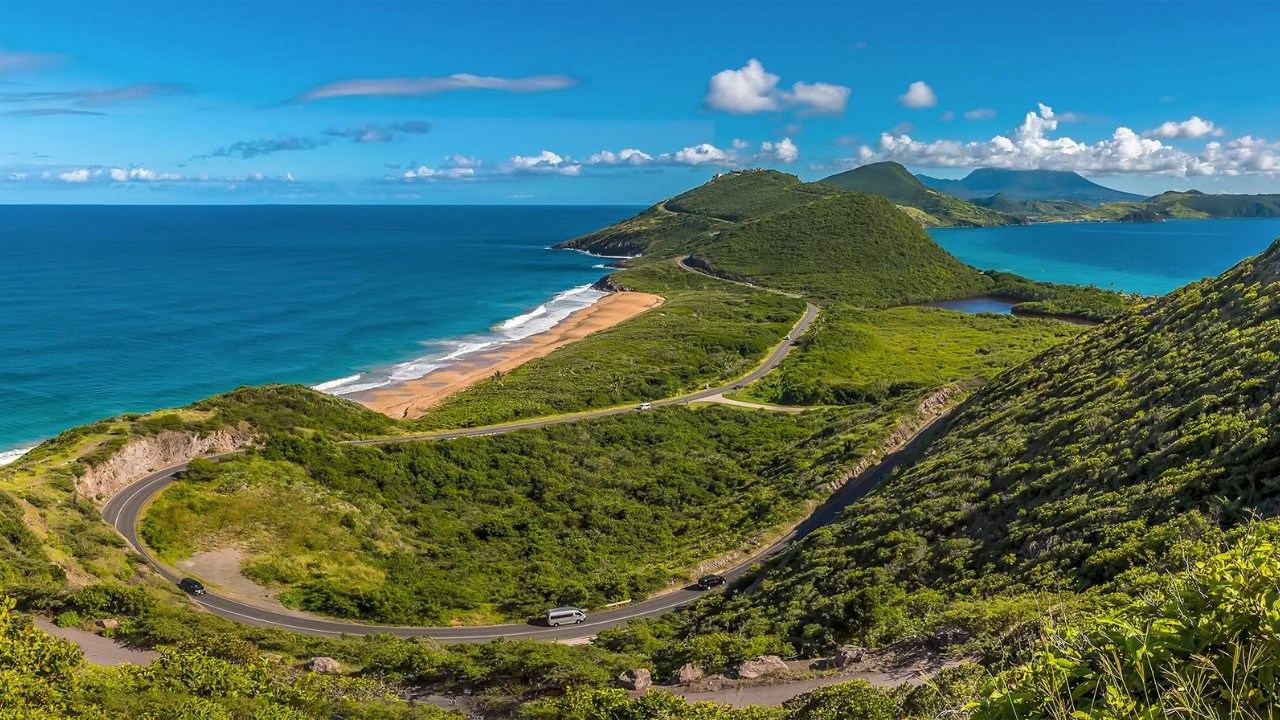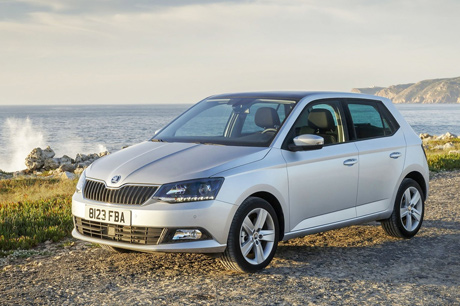
Driving in St Kitts is simple once you understand a few key rules. Visitors must drive on the left side of the road, carry a temporary local driving permit, and follow lower speed limits than in the United States and Europe.
Most travellers adjust within minutes. The roads are manageable. Distances are short. And the scenery along the way makes driving one of the most enjoyable parts of visiting the island.
This guide covers everything visitors need to know before getting behind the wheel, from road rules and permit requirements to parking, fuel, and what to do if something goes wrong.
What Side of the Road Do They Drive on in St Kitts
Drivers in St Kitts drive on the left side of the road.
Steering wheels are on the right side of the vehicle. This is the same system used in the United Kingdom, Jamaica, and several other Caribbean islands.
If you are from the United States, Canada, or continental Europe, left side driving feels unfamiliar at first. The adjustment happens quickly if you follow a few habits from the start:
- Keep left at all times, especially after turns
- Look right first when entering roundabouts and junctions
- Take your first few turns slowly until the positioning feels natural
- Use the road centre line as your reference point. Keep it on your right
The most common mistake visitors make is drifting to the right side after completing a turn. Stay aware of your lane position for the first ten to fifteen minutes and it will start feeling automatic.
Most visitors feel fully comfortable within the first fifteen minutes of driving.
All our cars are automatics, so you can focus on keeping left.
Pick up your car at Port Zante or RLB Airport from US$65 a day.
Do Tourists Need a Driving Permit in St Kitts
Yes. All visitors must carry a temporary local driving permit before driving.
This applies even if you hold a valid driver licence from your home country. An international driving permit does not replace the local requirement either.
The temporary permit is administered by the Licensing Authority (Traffic Department) of the Royal St Christopher and Nevis Police Force under the Vehicles and Road Traffic Act, Chapter 15.06.
The quickest route is to buy it online before you arrive, through the Police e-services portal.
The permit costs EC$62.50 (approximately US$24) for three months or EC$125 (approximately US$46) for one year.
Visitors who want to apply independently before arriving can do so online through the police e-services portal at eservices.police.kn/ELicense.
For a complete guide to the permit, including online application instructions and document requirements, read: Temporary Driving Permit in St Kitts, Cost, Requirements, and How to Apply
What Documents You Must Carry While Driving
Since the Vehicles and Road Traffic (Amendment) Act of 2018, all holders of temporary driving permits must carry and produce the following documents if stopped by traffic police:
- Your temporary St Kitts driving permit (or printed e-licence)
- Your driver licence from your home country
- Photo identification such as a passport or government issued ID
The 2018 amendment removed the 48-hour grace period that previously allowed drivers to produce documents later. You must now have all three documents with you at all times while driving.
If you are renting a car, also carry your rental agreement in the vehicle.
Is Driving in St Kitts Safe for Tourists
Yes. Driving in St Kitts is safe for most visitors.
Thousands of tourists drive on the island every year, including many who have never driven on the left side of the road before. The roads are manageable, distances are short, and traffic outside Basseterre is light.
Most issues come from unfamiliar habits rather than dangerous conditions. The key things to focus on are:
- Adjusting to left side driving, especially after turns
- Watching for narrow road sections on the western and northern coast
- Slowing down in villages where pedestrians, children, and animals may be near the road
- Being cautious on hillside curves, particularly on mountain roads near the rainforest
Once you settle into the flow, driving becomes easy and genuinely enjoyable. The coastal views along many stretches of road make it one of the highlights of visiting St Kitts.
Speed Limits in St Kitts
Speed limits in St Kitts are lower than in most North American and European countries.
- Town areas: approximately 32 km/h (20 mph)
- Open roads: up to approximately 64 km/h (40 mph)
Always follow posted signs. Speed bumps are common near schools, churches, and residential areas, often without advance warning. Slow down when entering any village or community.
Driving slower is normal on the island. Do not rush. St Kitts is only about 23 miles long, so even at modest speeds you will reach most destinations within 30 to 40 minutes.
The penalties changed on 30 January 2025, when the National Assembly passed the Vehicles and Road Traffic (Amendment) Act. Reckless or dangerous driving now carries a fine of EC$6,000, or EC$8,000 where somebody is hurt, and up to EC$20,000 for a repeat offence. Driving under the influence carries up to EC$10,000 the first time and EC$20,000 after that. Causing death by dangerous driving carries up to ten years. Those are Eastern Caribbean dollars, so divide by about 2.7 for US.
Cameras at the traffic lights now feed an automated ticketing system, and the notice goes to the registered owner of the car, which on a rental is the rental company.
There is also a public reporting scheme. Anyone can submit dashcam footage of dangerous driving, they can do it anonymously, and if it leads to a conviction the court can order the driver to pay them up to EC$5,000. The government made dashcams duty free on the same day.
Road Conditions in St Kitts
Main roads are paved and connect the entire island. The primary road runs around much of St Kitts in a loop, linking Basseterre, Frigate Bay, the southeast peninsula, and the western coast.
What to expect on the roads:
- Some narrow sections, particularly on the western and northern coast where the road passes through villages
- Occasional potholes, especially after heavy rain
- Curves and elevation changes in hillside areas
- Speed bumps near communities, schools, and churches
- Loose goats, dogs, and chickens near the road in rural areas
Road quality is good enough for regular cars on all main routes. You do not need a four wheel drive vehicle for most destinations. An SUV is only necessary if you plan to drive on unpaved beach access roads or mountain routes near the rainforest.
Roundabouts and Intersections
Roundabouts are common in St Kitts, especially around Basseterre and on the route toward Frigate Bay.
The key rule: give way to traffic already in the roundabout. Traffic flows clockwise. Approach slowly, look to your right, and enter only when the roundabout is clear.
At junctions without roundabouts or traffic lights, give way to traffic on the main road. If you are unsure who has right of way, slow down and proceed with caution.
Traffic lights exist at some intersections in Basseterre. Follow the signals and be aware that the 2025 amendment introduced automated ticketing cameras at traffic lights.
Driving at Night
Night driving in St Kitts requires extra caution.
Many roads outside Basseterre have limited or no street lighting. Pedestrians and animals can be difficult to see, especially on rural stretches. Some road edges are not clearly marked.
If you are a cruise visitor renting for the day, you will almost certainly return before dark. If you are staying on the island for a longer visit, keep night driving to familiar routes and drive slowly.
Use your headlights at all times after sunset. Dip your high beams when approaching oncoming traffic.
Horn Etiquette
Drivers in St Kitts use their horns differently than in many other countries.
A short horn tap is often a friendly greeting, not an expression of frustration. Do not be alarmed if a passing driver honks at you. It usually means hello.
Use your horn gently when approaching blind corners on narrow roads to alert oncoming drivers of your presence.
Fuel Stations
Fuel stations are located around the island, including near Basseterre, Frigate Bay, and along the western coast.
Most stations are small and may not accept all international credit cards. Carrying cash (US dollars or Eastern Caribbean dollars) for fuel is a good idea.
Because distances are short, a full day of driving typically uses less than US$15 to US$20 worth of fuel.
If you are renting, most companies use a same-to-same fuel policy. Return the vehicle with the same fuel level it had at pickup.
Parking in St Kitts
Parking is generally simple and free across the island.
- Beach restaurants usually offer free parking for guests
- Brimstone Hill Fortress and other attractions have designated car parks
- Timothy Hill has roadside parking near the viewpoint
- In Basseterre, public parking is available near the port for approximately US$2 per day
Avoid parking in unmarked areas, blocking narrow village roads, or parking in front of private driveways. On busy cruise days, parking near Port Zante fills up quickly.
Driving Distances from Basseterre
One of the biggest advantages of renting a car in St Kitts is how close everything is.
Typical drive times from Basseterre:
- Frigate Bay: about 10 minutes
- Timothy Hill: about 15 minutes
- South Friars Bay: about 15 to 20 minutes
- Black Rocks: about 25 minutes
- Cockleshell Beach: about 30 minutes
- Brimstone Hill Fortress: about 40 minutes
You can explore multiple locations in one day without long drives.
For a structured day plan, read: One Day Driving Itinerary for Cruise Passengers
For exact distances from Port Zante, read: How Far Attractions Are from the Cruise Port
Common Mistakes Tourists Make When Driving
Most problems come from small, avoidable errors. Watch for these:
- Drifting right after turns. This is the most common mistake. After completing a turn, your instinct may pull you to the right lane. Stay aware of your position.
- Entering roundabouts too quickly. Slow down, look right, and enter only when clear.
- Driving too fast on unfamiliar roads. Speed bumps, narrow sections, and blind curves can catch you off guard.
- Forgetting documents. Always carry your temporary permit, home country licence, and photo ID.
- Not watching for animals. Goats, dogs, and chickens roam freely in rural areas. Slow down when you see animals near the road.
Take your time. Driving in St Kitts is about control, not speed.
What to Do If Something Goes Wrong
If you are involved in an accident, pull over safely and do the following:
- Check if anyone is injured. If yes, call emergency services at 911
- Do not move the vehicles until police arrive, unless they are blocking traffic dangerously
- Exchange information with the other driver: name, licence number, vehicle registration, insurance details
- Take photos of the scene, damage, and any relevant road conditions
- Report the accident to the nearest police station within 24 hours (required by law)
- Contact your rental company immediately to report the incident
For a flat tyre or a breakdown, call your rental company. Ours is 869-763-4441, 7am to 6pm.
A Typical Driving Experience for Visitors
Here is what a typical day of driving in St Kitts feels like.
You leave Basseterre and head toward Frigate Bay. Traffic is light. The road opens up. Within minutes, you reach Timothy Hill and stop for photos of the dual ocean viewpoint.
From there, you continue south toward Cockleshell Beach. The drive is smooth and direct, passing through the narrow peninsula with water visible on both sides. After lunch at a beachfront restaurant, you head back toward the western side of the island and visit Brimstone Hill Fortress.
By mid afternoon, you are back near Port Zante or your hotel with time to spare.
That entire experience happens within a few hours. No GPS stress, no highway driving, no complicated interchanges. Just open roads, stunning views, and the freedom to stop wherever you like.
For a complete step by step guide to this route, read: Car Rental from St Kitts Cruise Port, Complete Guide
Why Many Visitors Choose to Drive
Driving gives you something tours and taxis cannot: freedom.
- You choose where to go
- You decide how long to stay
- You avoid fixed schedules and crowded tour buses
- You can explore quiet beaches, roadside viewpoints, and local restaurants that guided tours skip
You experience the island on your own terms. And because St Kitts is so compact, you can see a remarkable amount in a single day.
If you are deciding between a rental car and a taxi, read: Taxi vs Car Rental for Cruise Visitors in St Kitts
Frequently Asked Questions
What side of the road do they drive on in St Kitts?
Vehicles drive on the left side of the road. Steering wheels are on the right side of the vehicle.
Do you need an international driving permit in St Kitts?
No. You need a temporary local driving permit issued on the island. An international driving permit does not replace it.
How much does the temporary driving permit cost?
EC$62.50 (approximately US$24) for three months, or EC$125 (approximately US$46) for one year.
Is driving in St Kitts difficult?
No. Most visitors adjust to left side driving within fifteen minutes. Roads are simple, distances are short, and traffic outside Basseterre is light.
Is it safe to drive in St Kitts?
Yes. Thousands of tourists drive in St Kitts every year. Roads are manageable and well maintained on main routes.
How long does it take to drive around St Kitts?
About one and a half to two and a half hours with stops. Without stops, the loop takes approximately 45 minutes to an hour.
What are the speed limits in St Kitts?
Approximately 32 km/h (20 mph) in town areas and up to 64 km/h (40 mph) on open roads.
Can tourists drive in St Kitts?
Yes. Tourists drive every day with a valid home country licence and a temporary local permit.
What documents do I need to carry while driving?
Your temporary St Kitts driving permit, your home country driver licence, and photo identification. Since the 2018 amendment, all three must be carried at all times.
What should I do if I have an accident?
Check for injuries, call 911 if needed, do not move the vehicles, exchange information with the other driver, take photos, and report to the nearest police station within 24 hours. Contact your rental company immediately.
Book Your Car Rental
Ready to explore St Kitts by car? We offer cruise port and airport pickup, help with your temporary driving permit, and transparent pricing with no hidden fees.
Have questions? Contact us or WhatsApp us directly.
Related Guides
- Temporary Driving Permit in St Kitts, Cost and Requirements
- Car Rental from St Kitts Cruise Port, Complete Guide
- How to Rent a Car in St Kitts, Step by Step
- One Day Driving Itinerary for Cruise Passengers
- Taxi vs Car Rental for Cruise Visitors
- How to Pick Up a Rental Car Near Port Zante
- How Far Attractions Are from the Cruise Port