Renting a car in St Kitts takes about fifteen minutes once you know the steps, and this guide walks through all eleven of them. If you already know you want a car, we rent automatic cars for US$65 a day with free pickup at the cruise port, the airport or our Basseterre office, and you can book it here and have it waiting when you arrive.
Prices on this page were checked in October 2026. Need more than one car for a group? Message us on WhatsApp.
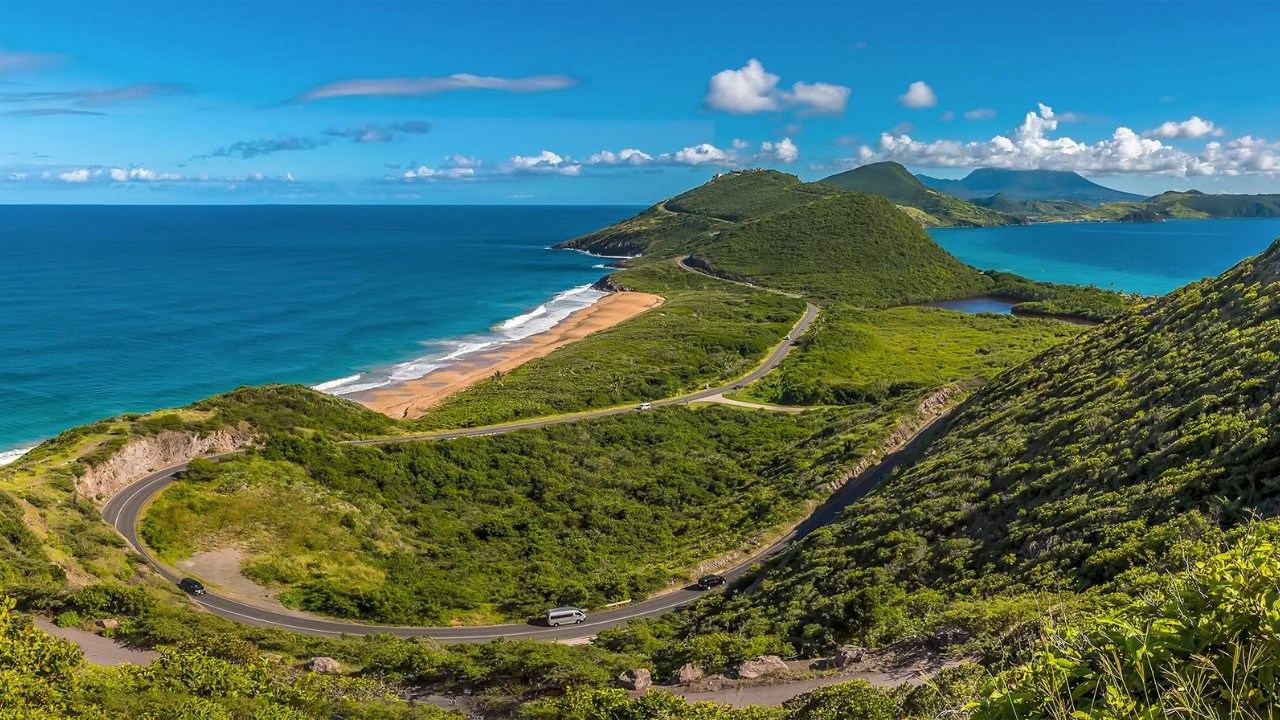
St Kitts is small, scenic, and connected by a coastal highway that loops around much of the island. With a rental car, visitors can reach beaches, historical sites, and viewpoints within minutes of leaving Basseterre. The rest of this guide covers everything you need to know before you drive, from the documents to bring to returning the car before your ship or flight leaves.
Step 1: Choose Where to Pick Up Your Rental Car
Visitors usually pick up rental cars in one of three locations:
- Near the cruise port at Port Zante in Basseterre. This is the most common option for cruise passengers because ships dock directly in the capital. Most rental companies meet visitors within walking distance of the terminal.
- At Robert Bradshaw International Airport. Airport arrivals often pick up vehicles immediately after landing so they can drive directly to their hotel, villa, or resort without waiting for taxis or shuttle services.
- In Basseterre or Frigate Bay. Some visitors staying at hotels or vacation rentals arrange pickup or delivery at their accommodation.
Because the island is small, most pickup locations are within ten to fifteen minutes of each other. Wherever you are staying or arriving, getting a car is quick. If you rent from us, pickup at Port Zante, the airport and our Basseterre office is free, and so is delivery to hotels in Frigate Bay.
For cruise visitors, read: Car Rental from St Kitts Cruise Port, Complete Guide
For a walkthrough of the Port Zante pickup process, read: How to Pick Up a Rental Car Near Port Zante
Step 2: Bring the Required Documents
Visitors must present a few basic documents before renting a vehicle:
- A valid driver licence from your home country
- A passport or photo identification (cruise ship card is also accepted)
- US$200 for the deposit, by cash, card or PayPal
The rental company will inspect your licence and record the details before handing over the vehicle. Make sure your licence is current and not expired before you travel.
Since the 2018 amendment to the Vehicles and Road Traffic Act, drivers must carry photo identification at all times while driving. This means your passport or government issued ID needs to stay with you throughout the rental period, not locked in your hotel room or cabin.
Step 3: Obtain the Temporary Local Driving Permit
This is the one step that surprises many first time visitors.
St Kitts requires a temporary local driving permit for all visitors, even if you already hold a valid licence from your home country. An international driving permit does not replace it either. This is a separate legal requirement under the Vehicles and Road Traffic Act, Chapter 15.06.
The temporary permit is administered by the Licensing Authority (Traffic Department) of the Royal St Christopher and Nevis Police Force. The quickest route is to buy it online before you arrive, through the Police e-services portal.
Here is what the permit involves:
- Cost: EC$62.50 (approximately US$24) for three months, or EC$125 (approximately US$46) for one year
- Validity: Three months or one year from the start date
- Processing time: Usually under ten minutes when done through a rental company
- What you need: Your valid foreign driver licence and a passport or photo ID
With the permit bought online, you can be driving within minutes of reaching the pickup point. Getting it at pickup adds ten to fifteen minutes.
Visitors who want to apply independently before arriving can do so through the police e-services portal at eservices.police.kn/ELicense.
For a detailed guide on the permit including online application instructions, read: Temporary Driving Permit in St Kitts, Cost, Requirements, and How to Apply
Step 4: Choose the Right Vehicle
The vehicle you choose depends on how you plan to use it and how many people are travelling.
Economy cars are the most popular choice for couples and solo travellers. They are fuel efficient, easy to park, and handle the main roads comfortably. These are ideal if you plan to stick to the paved coastal road and visit beaches, viewpoints, and restaurants.
We rent automatic cars with air conditioning. They handle every paved road on the island. Need more than one car? Message us on WhatsApp.
All rental vehicles in St Kitts are typically automatic transmission with air conditioning.
See our current fleet and rates: our cars and rates
Step 5: Understand the Age Requirements
The legal minimum age to drive in St Kitts is 18 years old for vehicles other than motorcycles. This is set by the Vehicles and Road Traffic Act.
However, most car rental companies require drivers to be at least 25 years old. This is a rental company policy, not a legal requirement. Some companies allow younger drivers for certain vehicle types, but restrictions or additional fees may apply.
Drivers must hold a valid licence that has been active for a minimum number of years. The exact requirement varies by rental provider.
Always confirm the age and licence requirements with your specific rental company before booking.
Step 6: Inspect the Vehicle Before Driving
Before leaving with your rental vehicle, walk around the car with the rental agent and inspect it together.
Check for:
- Existing scratches or scuffs on the body
- Small dents or chips on the windshield
- Tire condition and pressure
- Fuel level
- That the air conditioning works
- That all lights and indicators function
Most agencies record the condition on a rental form. Both you and the agent should sign or acknowledge it.
Taking quick photos of the vehicle with your phone is a smart habit. Photograph all four sides, any existing damage, and the fuel gauge. This protects you from being charged for damage that was already there when you picked up the car.
Step 7: Learn the Local Driving Rules
Driving in St Kitts is straightforward, but there are a few important differences visitors should know before pulling out of the pickup point.
- Vehicles drive on the left side of the road. Steering wheels are on the right side of the vehicle. If you are from the United States or Canada, take your first few turns slowly and stay aware of your lane position.
- Seat belts are mandatory for all occupants.
- Speed limits are approximately 32 km/h (20 mph) in towns and up to 64 km/h (40 mph) on open roads.
- Roundabouts are common. Give way to traffic already in the roundabout. Approach from the right.
- Carry your documents at all times: temporary driving permit, home country licence, photo ID, and rental agreement.
Most visitors adjust to left side driving within the first ten to fifteen minutes. Traffic outside Basseterre is light, and the main road is easy to follow.
For a complete guide to road rules, speed limits, parking, and common mistakes to avoid, read: Driving in St Kitts, Rules, Safety, and Tips for Tourists
Step 8: Plan Your Route Around the Island
Once you have your vehicle, exploring St Kitts is easy. The main island road connects most major attractions in a loop along the coastline.
Popular driving routes include:
- Basseterre to Frigate Bay (about 10 minutes). Beaches, restaurants, and The Strip.
- Basseterre to Timothy Hill (about 15 minutes). The famous dual ocean viewpoint.
- Basseterre to Cockleshell Beach (about 30 minutes). The most popular cruise visitor beach with views of Nevis.
- Basseterre to Brimstone Hill Fortress (about 40 minutes). UNESCO World Heritage Site on the western coast.
- Full island loop (about 1.5 to 2.5 hours with stops). Covers both the Caribbean and Atlantic coastlines.
Because the island is only about 23 miles long, most destinations are less than 40 minutes from Basseterre.
For a structured day plan with stops and timing, read: One Day Driving Itinerary for Cruise Passengers
For exact distances from Port Zante to every major attraction, read: How Far Attractions Are from the Cruise Port
Step 9: Understand Insurance and Deposits
Before you drive, make sure you understand what is covered and what is not.
- Third Party Liability (TPL): Usually included in the rental rate. Covers damage to other people or property.
- Collision Damage Waiver (CDW): Optional, typically around US$10 to US$15 per day. Reduces your financial responsibility if the rental vehicle is damaged.
- Security deposit: Ours is US$200, by cash, card or PayPal. This is returned after the vehicle is inspected on return.
Ask your rental provider to explain their specific insurance options and deductibles before you sign the agreement. Knowing what you are responsible for gives you peace of mind on the road.
Step 10: Refuel Before Returning the Vehicle
Most rentals operate on a same-to-same fuel policy. This means you should return the vehicle with the same fuel level it had when you picked it up.
Fuel stations are located around the island, including near Basseterre and Frigate Bay. Fill up before heading to the drop-off point so you are not scrambling to find a station at the last minute.
Keep your fuel receipt in case the rental company asks for confirmation.
Because distances are short in St Kitts, a full day of driving typically uses less than US$15 to US$20 worth of fuel.
Step 11: Return the Car Before Your Departure
Cruise passengers should return the vehicle at least one hour before the ship’s all-aboard time. This allows time for the vehicle inspection, paperwork, and walking back through port security. On busy cruise days with multiple ships departing, allow extra buffer.
Airport travellers should return cars early enough to allow time for check in and security screening. Most rental companies arrange airport drop-off at the same location as pickup.
Hotel guests returning a car at the end of a longer stay should confirm the return time and location with their rental provider the day before.
Returning early avoids stress and ensures a smooth handover.
Is Renting a Car in St Kitts Worth It
For most visitors, yes.
A rental car gives you the freedom to explore the island on your own schedule without depending on taxis or organized tours. You can stop at beaches, viewpoints, restaurants, and historical sites whenever you like. You can visit multiple locations in a single day. And you can go beyond the usual tourist stops to find quieter beaches and local spots that guided tours skip.
Because distances are short, the scenery is dramatic, and the roads are manageable, driving in St Kitts is one of the most enjoyable ways to experience the island.
If you are still deciding between a rental car and a taxi, read: Taxi vs Car Rental for Cruise Visitors in St Kitts
Frequently Asked Questions
What do I need to rent a car in St Kitts?
A valid driver licence from your home country, a passport or photo ID, and US$200 for the deposit, by cash, card or PayPal. You also need a temporary local driving permit, which you buy online before you travel, on the Police e-services portal.
How much does the temporary driving permit cost?
EC$62.50 (approximately US$24) for three months, or EC$125 (approximately US$46) for one year.
Do I need an international driving permit for St Kitts?
No. St Kitts requires its own temporary local permit. An international driving permit does not replace it.
What is the minimum age to rent a car?
The legal minimum driving age in St Kitts is 18. However, most rental companies require drivers to be at least 25 years old.
What side of the road do they drive on?
Vehicles drive on the left side of the road. Steering wheels are on the right.
How long does the pickup process take?
Most visitors complete the entire pickup, including the driving permit, in ten to fifteen minutes.
Can I rent a car if I arrive by cruise ship?
Yes. Cruise passengers regularly rent cars for the day near Port Zante in Basseterre.
What type of car should I rent?
An automatic economy car is enough for every paved road in St Kitts. Need more than one car? Message us on WhatsApp.
Is it safe to drive in St Kitts?
Yes. Roads are manageable, distances are short, and traffic outside Basseterre is light. Most visitors adjust to left side driving within the first ten minutes.
How early should I return the car before my ship departs?
At least one hour before the ship’s all-aboard time. Allow extra buffer on busy multi-ship days.
Book Your Car Rental
Ready to explore St Kitts? We rent automatic cars for US$65 a day with free cruise port and airport pickup, help with your temporary driving permit, and no hidden fees.
Have questions? Contact us or WhatsApp us directly. We respond quickly and are happy to help you plan your visit.
Related Guides
- Car Rental from St Kitts Cruise Port, Complete Guide
- How to Pick Up a Rental Car Near Port Zante
- Temporary Driving Permit in St Kitts, Cost and Requirements
- Driving in St Kitts, Rules, Safety, and Tips
- One Day Driving Itinerary for Cruise Passengers
- Taxi vs Car Rental for Cruise Visitors
- How Far Attractions Are from the Cruise Port