If you are visiting St Kitts from the United States and considering renting a car, the question on your mind is probably simple: is it actually safe to drive here?
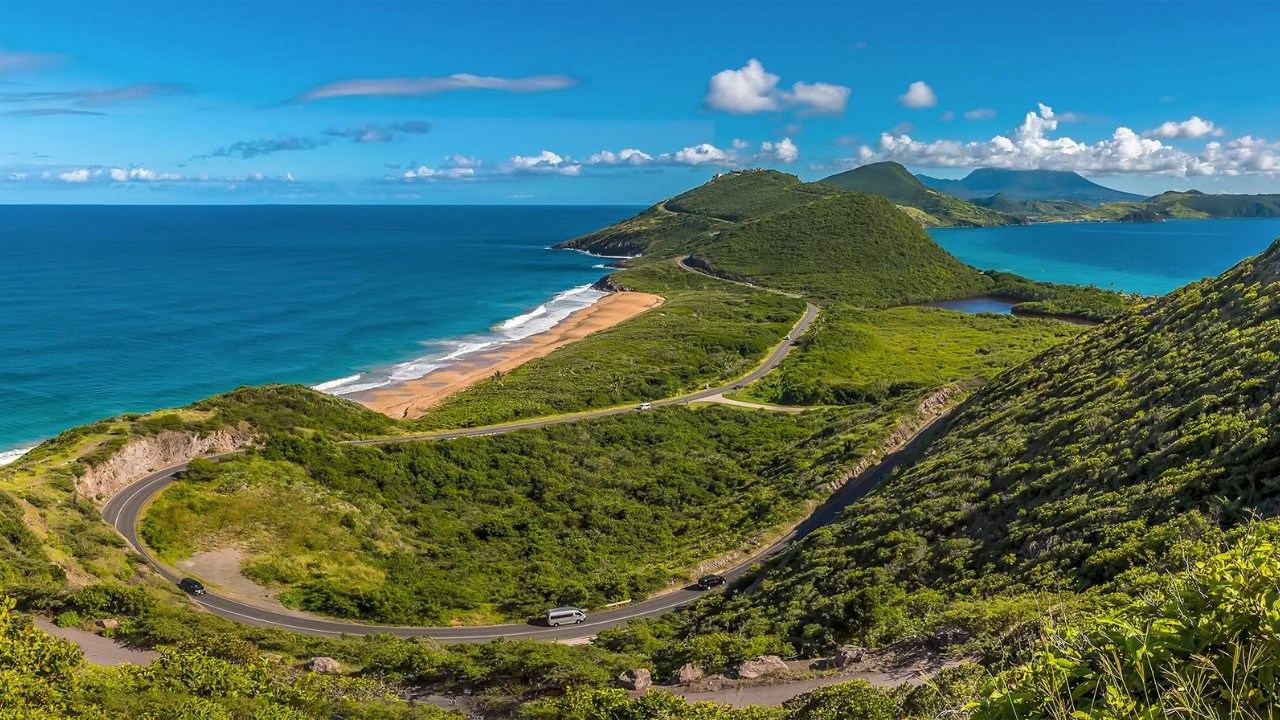
The honest answer is yes. Thousands of American cruise passengers and vacationers drive in St Kitts every year without incident. The island is small, the roads are straightforward, traffic is light outside Basseterre, and the main challenges (left-side driving, narrow village roads, the occasional wandering goat) are manageable once you know what to expect.
This guide addresses every concern American drivers typically have about driving in St Kitts, with practical advice to help you feel confident from the moment you leave the rental car pickup.
Left Side Driving: The Biggest Concern
The number one worry for American visitors is driving on the left side of the road. In the United States, you drive on the right. In St Kitts, you drive on the left, and the steering wheel is on the right side of the vehicle.
This sounds intimidating, but in practice most Americans adjust within the first ten to fifteen minutes. Here is why it is easier than you expect:
- Traffic is light. Outside of Basseterre, you may be the only car on the road for stretches. There is no highway-speed traffic to deal with
- Speed limits are low. Approximately 20 mph (32 km/h) in towns and 40 mph (64 km/h) on open roads. You are never driving fast enough for a split-second mistake to be dangerous
- The main road is simple. One coastal road loops around the island. No complex interchanges, no multi-lane highways, no confusing junctions
- Rental cars have right-hand steering. All rental cars in St Kitts have the steering wheel on the right side, which puts you on the correct side for left-side driving. You are not trying to drive a left-hand-drive American car on the wrong side of the road
Tips for Adjusting to Left Side Driving
- Take the first few minutes slowly. Pull out of the pickup area carefully and give yourself time to get comfortable before driving in traffic
- Stay aware after turns. The most common mistake is drifting to the right after completing a turn. Consciously check your lane position after every turn for the first 15 minutes
- Use the centre line as your guide. Keep the centre line to your right at all times. If you remember this one rule, you will stay in the correct lane
- Roundabouts go clockwise. Give way to traffic already in the roundabout (coming from your right)
- Let your passenger help. If you have a front-seat passenger, ask them to call out if you drift right
For the complete driving rules guide, read: Driving in St Kitts, Rules, Safety, and Tips
Road Conditions
American visitors used to smooth, wide highways may wonder about the quality of roads in St Kitts. Here is what to expect:
- Main roads are paved and reasonably maintained. The coastal road and the southeast peninsula road are in good condition
- Village roads are narrower. In towns along the western coast, the road narrows and passes between houses. Drive slowly and watch for pedestrians, speed bumps, and parked vehicles
- Road markings are limited. Some roads have centre lines and lane markings. Others do not. This is normal and not a safety concern at the speeds you will be driving
- Beach access roads vary. Most beaches are reached on paved roads. The paved road reaches the ferry dock at Major’s Bay. Only the dirt track west of it is rough
- No traffic lights. St Kitts has very few traffic lights. Most intersections use roundabouts or informal right-of-way. This actually makes traffic flow smoother and less stressful
Is the Island Safe for Tourists
The US Department of State classifies St Kitts and Nevis as Level 1: Exercise Normal Precautions. This is the lowest risk category and the same classification given to many popular European destinations.
St Kitts is one of the safer Caribbean islands for visitors. The tourism areas, beaches, and main roads are well-patrolled during cruise ship days. Violent crime against tourists is very uncommon. Standard travel precautions apply:
- Do not leave valuables visible in a parked car
- Lock the car when you leave it
- Stick to populated areas and main roads, especially after dark
- Use licensed taxis if you need one (identified by yellow plates starting with “T” or “TA”)
One important law to know: it is illegal for civilians to wear camouflage clothing in St Kitts and Nevis. This is not a tourist guideline. It is actual law. Leave the camo at home.
What You Need to Drive Legally
American visitors need three things to drive legally in St Kitts:
- A valid US driver’s licence
- A temporary local driving permit (EC$62.50, approximately US$24, valid for three months). The rental company arranges this during the pickup process
- Photo identification (passport or cruise ship card)
You do not need an International Driving Permit (IDP) for St Kitts, although having one does not hurt. The temporary local permit is what legally authorises you to drive on the island.
Since the 2018 amendment to the Road Traffic Act, you must carry all three documents (permit, US licence, and photo ID) at all times while driving. If stopped by traffic police, you must be able to produce them on the spot.
For full permit details, read: Temporary Driving Permit in St Kitts
Things That Surprise American Drivers
Beyond left-side driving, here are some things that catch American visitors off guard:
- Honking is a greeting, not a warning. Drivers frequently honk to say hello to friends, neighbours, or other drivers. Do not be alarmed by constant honking. It is friendly, not aggressive
- Animals on the road. Goats, donkeys, and vervet monkeys wander freely, especially on the western and northern coast roads. Slow down when you see animals near the road
- Drivers stop in the road to chat. It is common for drivers to stop in the middle of the road to have a conversation with someone walking or in another car. Wait patiently or drive around if it is safe. This is normal island life
- Speed bumps are everywhere. Especially through villages. Some are well-marked. Others are not. Drive slowly through villages and you will handle them fine
- No turn signals sometimes. Not all drivers use indicators. Watch the car’s behaviour, not just its signals
- Fuel stations are small. There are only a few fuel stations, mainly near Basseterre and Frigate Bay. Fill up before heading to the western or northern coast
What to Do in an Emergency
- Emergency number: 911 (same as the US)
- Police: 869-465-2241
- If you have a minor accident: Exchange information with the other driver. Contact your rental company immediately. They will advise on next steps
- If the car breaks down: Call your rental company. Ours is 869-763-4441, 7am to 6pm
- Nearest US Embassy: The closest US diplomatic mission is the US Embassy in Bridgetown, Barbados. For non-emergency consular assistance, contact them at 246-227-4000
Why Americans End Up Glad They Drove
Despite the initial nervousness, most American visitors who rent a car in St Kitts say it was one of the highlights of their trip. The reasons are consistent:
- You see far more of the island than you would on a tour or in a taxi
- You can stop at roadside viewpoints, local restaurants, and quiet beaches that tours never visit
- The drive itself is beautiful, especially the peninsula road and the western coast
- The total cost (approximately US$104 to US$109 for the day) is cheaper than multiple taxi trips
- The left-side driving becomes natural faster than anyone expects
For a complete cost breakdown, read: How Much Does It Cost to Rent a Car in St Kitts
For an honest assessment of whether renting is worth it, read: Is It Worth Renting a Car in St Kitts
Frequently Asked Questions
Is it safe for Americans to drive in St Kitts?
Yes. Thousands of American visitors drive in St Kitts every year. Roads are manageable, traffic is light, speeds are low, and the island is compact. Most visitors adjust to left-side driving within the first ten to fifteen minutes.
What side of the road do they drive on in St Kitts?
The left side. Steering wheels are on the right side of the vehicle. All rental cars have right-hand steering.
Do I need an International Driving Permit?
No. American visitors need their valid US driver’s licence and a temporary local driving permit (approximately US$24), which you buy online before you travel, on the Police e-services portal.
Are the roads dangerous?
No. Main roads are paved and in reasonable condition. Speed limits are low (20 to 40 mph). The main challenges are narrow village roads and occasional animals on the road.
Is St Kitts safe for tourists in general?
Yes. The US Department of State classifies St Kitts as Level 1: Exercise Normal Precautions. It is one of the safer Caribbean islands for visitors.
What do I do if I have a car accident?
Exchange information with the other driver and contact your rental company immediately. The emergency number is 911, the same as in the United States.
Can I wear camouflage clothing in St Kitts?
No. It is illegal for civilians to wear camouflage in St Kitts and Nevis. This is actual law, not a guideline.
Book Your Car Rental
Ready to drive in St Kitts? We make it easy for American visitors with cruise port and airport pickup, help with your driving permit, and clear instructions for first-time left-side drivers. Book your car rental today.